Restaurant SMS Integrations And Data Setup
Restaurant SMS Integrations And Data Setup
Restaurant SMS integrations and data setup form the operational foundation of successful customer retention campaigns. Before restaurants can reactivate customers, increase repeat visits, track campaign performance, or measure results, they must first organize customer information and connect the systems that store it.
Many restaurant owners assume SMS marketing begins with sending messages. In reality, effective SMS marketing begins with data.
The quality of customer data and the ability to connect that data to a communication system directly influence campaign effectiveness, customer reactivation opportunities, and long-term retention performance.
This page explains how restaurant SMS integrations and data setup work and why they are essential to customer retention systems.
What Are Restaurant SMS Integrations?
Restaurant SMS integrations are the connections between customer information sources and SMS marketing systems.
Restaurants often store customer information across multiple platforms, including:
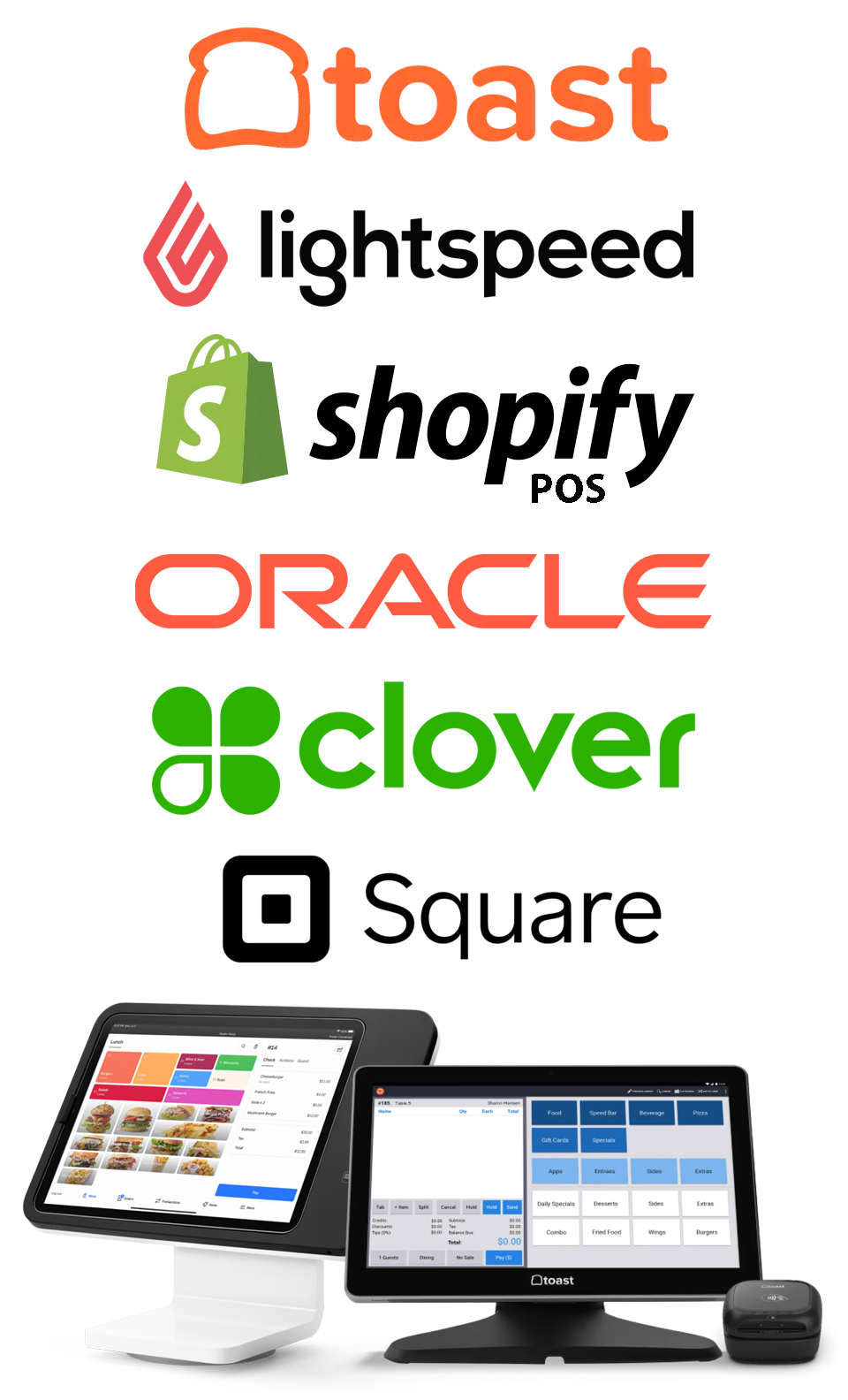
- POS systems
- Online ordering platforms
- Reservation systems
- Loyalty programs
- Customer databases
- Website lead forms
- Event registration systems
SMS integrations help organize and connect these sources so customer information can be used effectively.
Why Data Setup Comes Before Marketing
Many restaurants already have customer information available.
However, customer data is often spread across different systems and stored in different formats.
Without proper organization, customer information becomes difficult to use.
Data setup creates structure.
It helps restaurants identify customer records, organize contact information, and prepare customer databases for communication and measurement.
The Goal Of Restaurant SMS Data Setup
The goal is not simply creating a list of phone numbers.
The goal is creating a customer communication system that supports:
- Customer reactivation
- Repeat visit campaigns
- Retention marketing
- Offer redemption tracking
- Campaign measurement
- Repeat revenue growth
When customer information is organized correctly, restaurants can build long-term retention systems instead of isolated marketing campaigns.
Common Restaurant Data Sources
Restaurants typically collect customer information through multiple operational systems.
Common sources include:
Point Of Sale Systems
POS systems often contain customer purchase history, visit activity, and contact information.
Reservation Platforms
Reservation systems frequently include customer names, phone numbers, visit history, and booking behavior.
Online Ordering Systems
Online ordering platforms often contain customer contact information and ordering activity.
Loyalty Programs
Loyalty systems provide valuable engagement and customer participation data.
Website Forms
Lead forms, promotions, contests, and special event registrations can also contribute customer information.
Learn more through How To Use Customer Data For Restaurant Marketing.
How SMS Integrations Support Customer Reactivation
Customer reactivation campaigns depend on accurate customer information.
If customer records are incomplete, disorganized, or inaccessible, reactivation efforts become difficult to execute.
SMS integrations help restaurants identify and reconnect with customers who have not visited recently.
Learn more through Restaurant Customer Reactivation.
How SMS Integrations Support Repeat Visits
Repeat visit campaigns require ongoing communication with existing customers.
Integrated customer data helps restaurants deliver relevant messages and promotions to customers who already know the business.
This supports stronger customer engagement and more opportunities for repeat visits.
Learn more through Restaurant Repeat Visit Campaigns.
How SMS Integrations Support Customer Retention
Customer retention depends on maintaining relationships over time.
Restaurants that organize customer information effectively are better positioned to communicate consistently with guests between visits.
This helps strengthen customer familiarity, engagement, and retention.
Learn more through Why Restaurant Retention Matters More Than Revenue.
How Data Setup Improves Campaign Measurement
Measurement requires visibility.
When customer information is organized properly, restaurants can better evaluate:
- Campaign response activity
- Offer redemption rates
- Repeat visit behavior
- Customer retention performance
- Customer reactivation outcomes
Without structured data, meaningful measurement becomes significantly more difficult.
Learn more through Restaurant Campaign Performance Metrics.
Data Setup Creates Operational Readiness
Restaurants often focus on campaign creation before preparing their customer information.
However, operational readiness is what allows marketing campaigns to function effectively.
Data setup provides:
- Customer visibility
- Communication readiness
- Campaign flexibility
- Measurement capabilities
- Retention infrastructure
This preparation makes future marketing activities easier to execute and improve.
Common Data Setup Challenges
Many restaurants face similar data challenges.
Common issues include:
- Duplicate customer records
- Incomplete contact information
- Disconnected systems
- Outdated customer data
- Limited visibility across platforms
Identifying and organizing customer information is often one of the first steps toward improving retention performance.
Why Customer Data Is A Business Asset
Customer information is more than a marketing resource.
It is a business asset.
Every customer record represents a relationship that can potentially generate future visits, future engagement, and future revenue.
The more effectively restaurants organize and use customer data, the more opportunities they create for long-term customer retention.
How Sendsational Handles SMS Integrations And Data Setup
Sendsational helps restaurants organize customer information and prepare customer databases for retention-focused SMS marketing campaigns.
The process is designed to simplify operational complexity while creating the foundation needed for customer reactivation, repeat visits, redemption tracking, and measurable marketing outcomes.
Restaurants interested in learning more can review Restaurant Customer Database Marketing, explore Restaurant SMS Marketing, start a Free Trial, or Contact Sendsational.
Frequently Asked Questions
What are restaurant SMS integrations?
Restaurant SMS integrations connect customer information sources to SMS communication systems used for retention marketing.
Why is data setup important?
Data setup organizes customer information so restaurants can communicate effectively, measure results, and support retention campaigns.
What systems are commonly integrated?
POS systems, reservation platforms, online ordering systems, loyalty programs, and customer databases are common integration sources.
How does data setup support customer reactivation?
Data setup helps restaurants identify inactive customers and communicate with them through targeted campaigns.
Can SMS integrations improve retention?
Yes. Organized customer data supports ongoing communication, repeat visits, and customer retention efforts.
How does data setup help measurement?
Organized customer information makes it easier to track campaign performance, redemption activity, and customer behavior.
Do restaurants already have useful customer data?
Most restaurants already collect customer information through reservations, ordering systems, loyalty programs, and POS platforms.
How can Sendsational help?
Sendsational helps restaurants organize customer data and prepare systems that support customer retention and SMS marketing campaigns.
FAQ
What customer data can restaurants use for SMS campaigns?
Restaurants may be able to use phone company records, POS data, online ordering data, reservation data, loyalty lists, or other customer lists.
Does Sendsational help with setup?
Yes. Sendsational can help with the campaign setup path so the restaurant is not left to manage data, creative, sending, and tracking alone.
Why does existing customer data matter?
Existing customer data helps the restaurant reach people who already know the business, making the campaign more focused on reactivation.
What happens after the data is used?
The campaign can be sent with a compelling offer, artwork, unique codes, tablet redemption, and campaign metrics.